

Stanbic Bank South Sudan Targets Energy Financing Opportunities at SSOP 2026
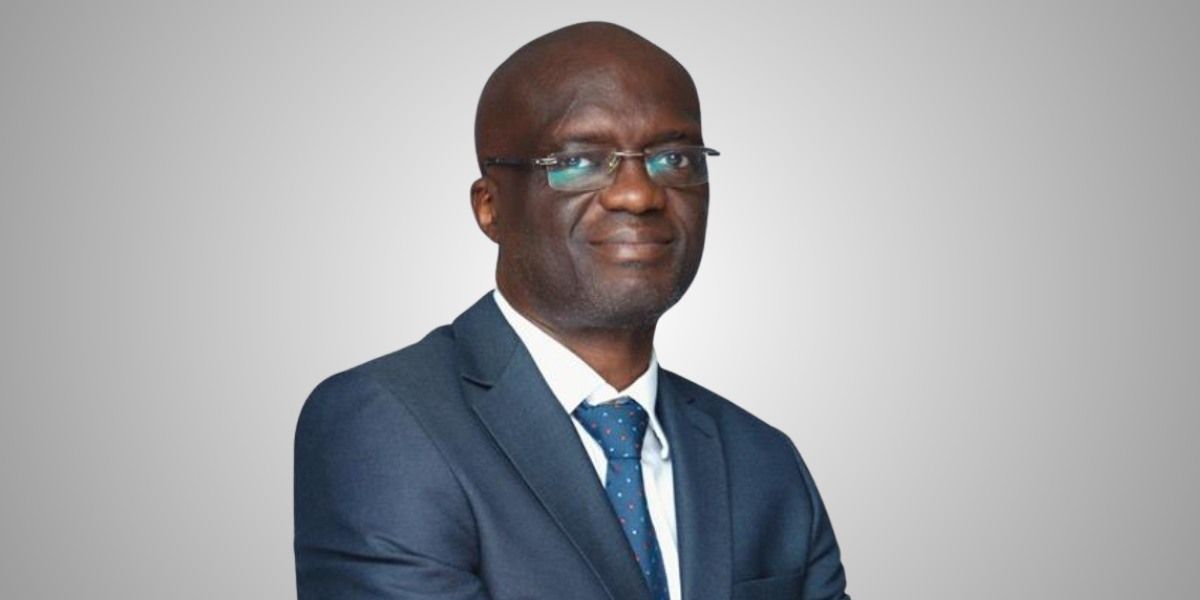
Financial services institution Stanbic Bank South Sudan has been confirmed as a Bronze Sponsor of the South Sudan Oil & Power (SSOP) 2026 conference, taking place from November 24-25 in Juba. Ahead of the event, Fred Ouko, Head of South Sudan division, spoke with event organizers about the institution’s plans to scale energy financing in the country and the financing structures needed to make projects commercially viable.
How is Stanbic Bank supporting oil and gas operators, contractors and local suppliers in South Sudan?
Developing South Sudan's energy sector requires more than investment in oil production: it requires a reliable financial ecosystem enabling businesses to operate efficiently while connecting local opportunities with regional and international markets.
We have operated in South Sudan since 2004, providing transactional banking, cash management and foreign-exchange solutions to oil and gas operators, contractors and suppliers.
We have also continued strengthening our digital and cross-border banking capabilities to ensure efficient movement of funds. As a member of Africa's largest banking group by assets, we can also draw on extensive continental expertise in structured finance, investment banking and energy infrastructure.
Which energy projects and infrastructure segments offer the strongest financing opportunities?
We see opportunities in rehabilitating and improving existing energy infrastructure, strengthening petroleum storage and logistics, expanding electricity generation and distribution, and developing the local businesses that service these industries.
Regional partnerships will also be essential. South Sudan's geographic position creates opportunities to strengthen trade and economic integration with neighboring countries, supported by regional infrastructure, cross-border payment systems and investment partnerships.
We see our role as helping connect local market knowledge with regional expertise and potential financial partnerships, while contributing to the broader effort to turn South Sudan's energy resources into sustainable economic opportunities.
How are liquidity constraints and investment risks shaping Stanbic Bank's financing strategy?
South Sudan presents a unique investment environment. As the world's youngest country, it is still developing many of the financial, institutional and physical systems necessary to support sustained private-sector growth.
The economy remains heavily dependent on oil revenues, making it particularly vulnerable to fluctuations in production, global commodity prices and disruptions to export infrastructure. At the same time, foreign-exchange constraints, systemic liquidity pressures, limited financial inclusion and a relatively shallow domestic credit market continue to present challenges for financial institutions and investors.
These realities require a measured, commercially disciplined approach to financing. Our focus over the next two years is strengthening core banking relationships, facilitating efficient domestic and cross-border transactions, and identifying opportunities where appropriate financial structures can help manage risks. In the near term, instruments such as trade finance, letters of credit, guarantees and structured working-capital arrangements may be appropriate for qualifying businesses with established commercial relationships and predictable cash flows.
What partnerships and investment opportunities is Stanbic Bank looking to advance at SSOP 2026?
SSOP provides an important platform for bringing together the institutions, expertise and capital required to advance the country's energy ambitions. The value of SSOP extends beyond visibility. It is an opportunity to contribute meaningfully to conversations about the future of investment in South Sudan and the practical steps required to strengthen the country's economic foundations. Our participation in two strategic discussions reflects this commitment.
Through our Head of Energy and Infrastructure, Solomon Makuei, we will contribute to the panel "Risk to Return: Financing Bankable Energy Projects," focusing on the financial structures, risk considerations and partnerships needed to transform investment opportunities into commercially viable projects. Our Head of Diversified Sector, Alam Chaat, will also participate in "The Juba Declaration: Building East Africa's Next Energy & Industrial Frontier," contributing a broader perspective on economic diversification, regional integration and the importance of developing industries beyond oil production.
We hope to strengthen relationships with operators, investors, development finance institutions and government stakeholders, identify credible opportunities for further engagement and explore partnerships that can support the development of investment-ready projects. Our central call to action is for all stakeholders to move beyond identifying South Sudan's potential and work collectively towards creating the conditions that make investment possible.