

South Sudan’s Solar Buildout Opens New Investment Opportunities Ahead of SSOP 2026
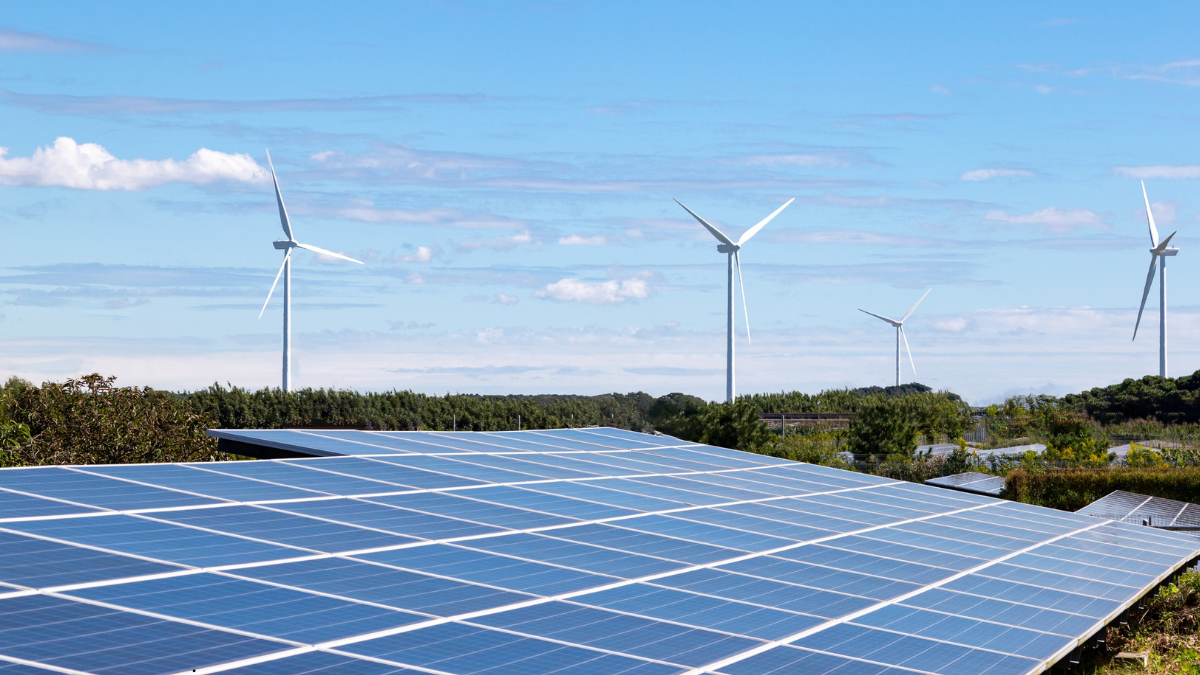
South Sudan’s push to expand electricity access is creating new opportunities for decentralized solar power, with projects advancing across telecommunications, public infrastructure and community services as the country seeks to address one of Africa’s lowest electrification rates.
These opportunities will be in focus at South Sudan Oil & Power (SSOP) 2026, taking place November 24–25 in Juba. The conference will connect government, financiers, project developers and technology providers as South Sudan seeks investment across generation, transmission and decentralized power infrastructure.
With electricity access remaining extremely limited and grid infrastructure concentrated around major urban centers, South Sudan is turning to distributed solar systems to provide power to communities and commercial infrastructure.
International partners are already supporting this expansion. In September 2026, the United Nations Development Program launched a call for proposals under its Solar Energy and Early Recovery Support for Youth Centers initiative, targeting facilities in Bor, Renk, Malakal, Rumbek and Yambio.
The initiative seeks to deploy solar systems while supporting youth-focused services, illustrating the potential for decentralized renewable energy across public and community infrastructure. Wider deployment creates demand for solar equipment, installation, maintenance, logistics and technical services.
Solar is also being incorporated into essential infrastructure. In July 2026, Egypt expanded its cooperation with South Sudan through a project involving 28 solar-powered groundwater stations designed to serve more than 84,000 people. The development demonstrates how off-grid solar can support services beyond conventional electricity supply, particularly in areas where grid access remains limited.
Private-sector infrastructure is creating another market for distributed renewable power. Telecommunications operator MTN South Sudan has cut diesel fuel costs by 50% by modernizing 500 network sites, including adding hybrid solar setups, under the Communication & Renewable Energy Infrastructure (CREI) initiative. The program has increased population broadband coverage to 85% and raised network availability to 99% over the past two years.
Financing is also beginning to support wider deployment. In June 2026, Cygnum Capital and Norfund closed a $90 million debt facility to accelerate CREI rollout across South Sudan, Mali and Central Africa. The multi-country facility will support telecommunications and renewable energy infrastructure, demonstrating the role development and private capital can play in scaling distributed energy models across underserved markets.
For South Sudan, expanding electricity access will require investment across multiple technologies and infrastructure models. Grid expansion and larger generation projects will remain important, but decentralized solar provides an additional pathway for powering telecommunications, community facilities, water infrastructure and businesses beyond existing electricity networks.
SSOP 2026 will bring these investment requirements into discussions between South Sudanese policymakers, utilities, investors, financiers and technology providers. Returning for its seventh edition under the theme “Resource Renaissance – Energy-Fueled Growth for a New Generation,” the conference will examine opportunities across the country’s oil, gas and power sectors as South Sudan seeks to expand energy access and attract new infrastructure investment.
To register for SSOP 2026 in Juba on November 24–25, visit: https://southsudanoilpower.com/